
Mayra Rosales Once Struggled to Leave Her Bed. Here’s How She Regained Her Independence
Medical Care, Surgery, and Changes to Her Daily Habits Helped Her Become More Mobile
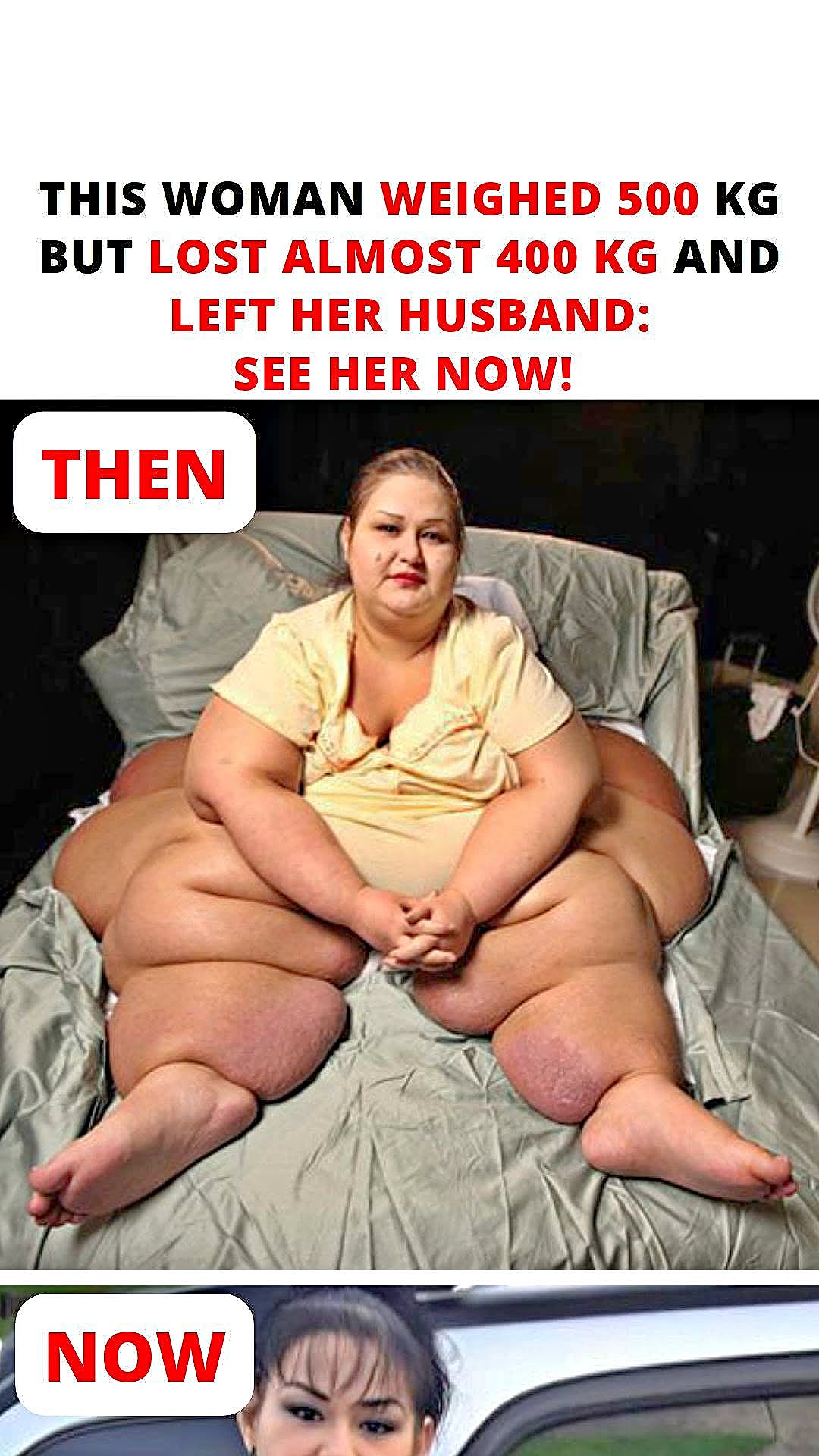
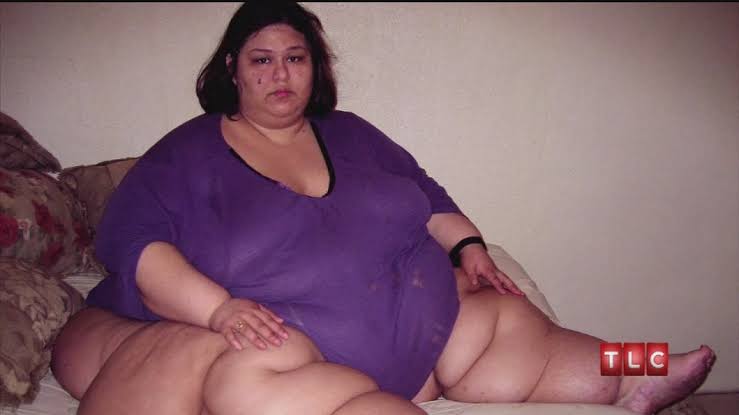
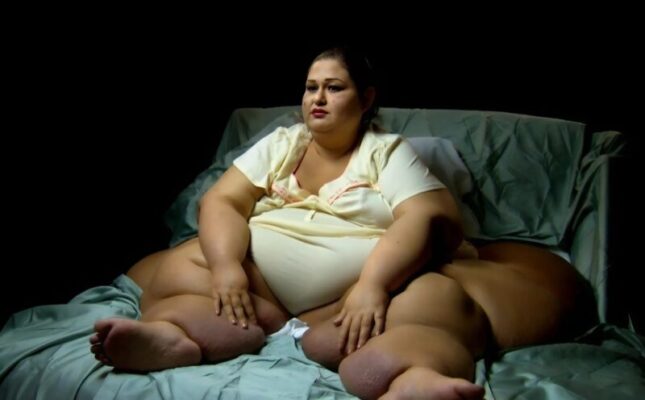
At one point, Mayra Lisbeth Rosales weighed an estimated 500 kilograms, or about 1,100 pounds. She was largely confined to bed and depended on other people for help with everyday activities. As she underwent treatment and gradually regained mobility, she began taking part in activities that had previously been beyond her reach.
Rosales, who is originally from Mexico, became internationally known as one of the heaviest women in the world. She later spoke openly about her eating habits and the difficulties she faced. The changes that followed took time and involved medical treatment, weight-loss surgery, additional procedures, and changes to how she lived day to day.
Daily Life Had Become Increasingly Difficult
For Rosales, the effects of limited mobility were apparent in the ordinary decisions that shape a day. Getting out of bed was difficult, and simple activities could require another person’s help. How much she could do depended in part on the assistance available to her.
That dependence affected more than individual tasks. When moving around is difficult, there is less freedom to decide when to do something, where to go, or how to spend the day. Those limitations are part of what made regaining mobility so significant in Rosales’s case. Each activity she could take up again gave her back some control over her own time.
Rosales later acknowledged that her eating habits had become unhealthy and that she was worried about what could happen if her circumstances continued. She decided to pursue treatment. The problems she described had developed over years, and addressing them would involve a series of changes over an extended period.
Her Treatment Included Weight-Loss Surgery and Follow-Up Procedures
Rosales’s treatment involved several stages. She underwent weight-loss surgery and changed aspects of her daily routine as her weight decreased. She later had additional operations to remove excess skin, a separate part of the process that continued after substantial weight loss.
Each stage brought a different task. Medical care and surgery formed part of her treatment. The changes she was making in daily life continued between procedures, as she adjusted to being able to move more and take part in activities again. The follow-up operations addressed a physical change that remained after she had lost a considerable amount of weight.
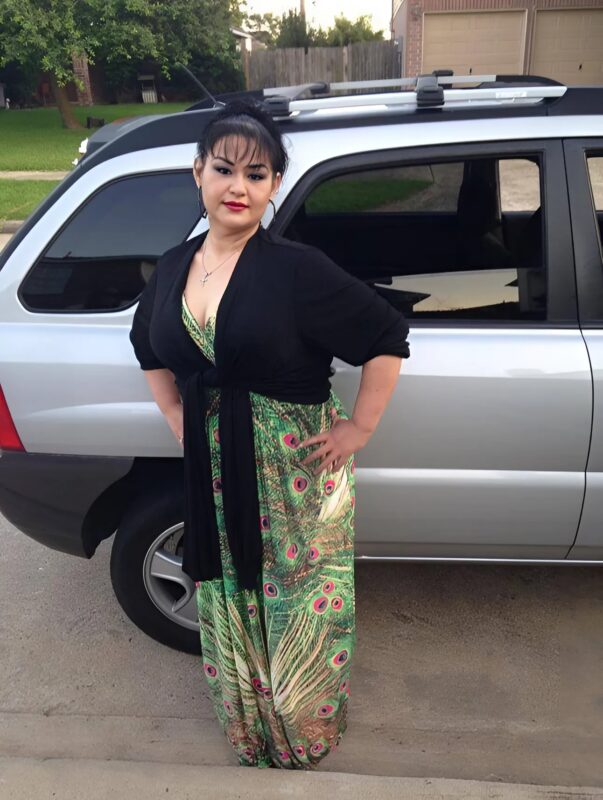
Accounts of her weight loss put her later weight at about 92 kilograms. That figure, like the estimate of 500 kilograms at her heaviest, describes a particular point in a longer process. The changes between those points unfolded gradually, including the return of mobility that made a greater range of everyday activities possible.
Regaining Mobility Changed the Way She Could Spend Her Days
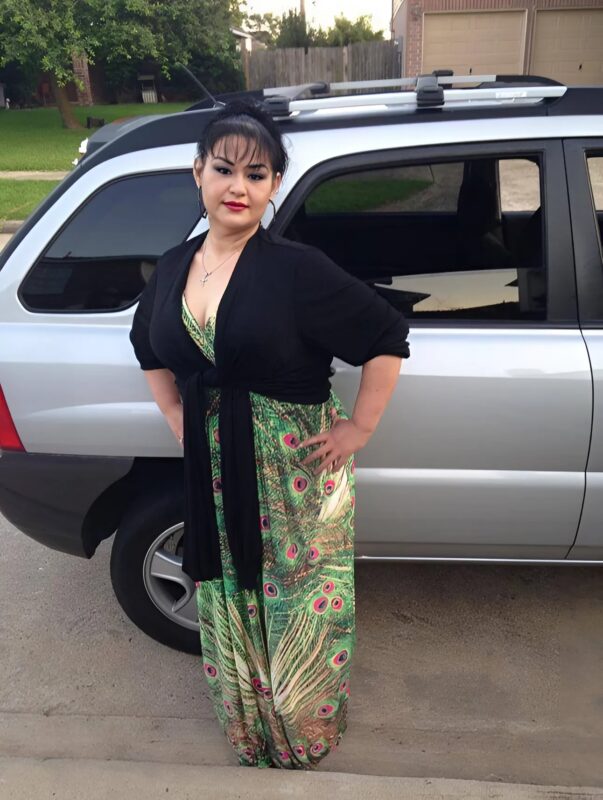
As Rosales became more mobile, activities that had once been impossible began to fit into her life again. She could move around with greater freedom and became less dependent on other people. These developments affected what she could do from one day to the next, giving her more choice in how she spent her time.
Those choices help explain the significance of a change often described through two numbers. An estimate of what Rosales weighed before treatment gives readers a sense of the scale of her weight loss. Her account of being largely confined to bed gives the numbers practical meaning. Greater mobility gave her room to participate in daily life in ways she previously could not.
Her story attracted attention internationally, including from people facing health challenges of their own. The most concrete part of her experience was the connection between treatment and the activities she gradually regained. She had once needed help with basic parts of her routine. Being able to do more for herself changed how she could organize her days.
Her Personal Life Also Changed
Rosales went through changes in her personal life during this broader period, including the end of her marriage. At the same time, she was adjusting to a more independent way of living. Each was a substantial change, with its own consequences for what her daily life would look like.
For years, physical limitations had shaped how she planned even simple activities. As she recovered mobility, she gained more freedom to choose what she would do and when she would do it. That freedom mattered as she moved into a chapter that also brought changes to her relationships and the way she lived.
What the Weight Estimates Tell Us About Her Progress
The difference between approximately 500 kilograms and a reported 92 kilograms explains some of the attention Rosales received. It also spans a long stretch of her life that included surgery, later procedures, and changes in her habits. Comparing the two estimates helps convey the size of the change, while the course of treatment explains why it took time.
Rosales’s experience can also be understood through the activities at either end of that period. Earlier, she spent much of her time in bed and needed assistance with ordinary tasks. Later, she could move more freely and take part in activities that had been out of reach. Those practical differences show what greater independence meant for her.
The attention surrounding her weight brought her story to an international audience. What Rosales regained was more immediate. As her mobility improved, she had more say over how she spent an ordinary day and could do more of the things she had once depended on others to help her do.
PART 2
Mayra Rosales’s Life After Her Extraordinary Transformation: The Challenges, Sacrifices, and New Freedom That Changed Everything
For Mayra Rosales, losing an extraordinary amount of weight was only the beginning of a much longer journey. The world had watched her become known for her extreme weight, but few people understood what happened after the headlines faded.
Behind the dramatic transformation were years of physical challenges, emotional adjustments, medical appointments, and difficult decisions. Although she had regained a remarkable degree of mobility, she still had to learn how to live in a body that had changed dramatically.
And perhaps the most surprising part of her journey was that the freedom she had fought so hard to regain brought challenges she had never expected.
The World Saw the Weight Loss, but Not the Difficult Days Behind It
When Mayra began making progress, public attention focused heavily on the numbers.
Reports described her estimated weight before treatment and the dramatic reduction that followed. Photographs showing the difference between different stages of her transformation circulated widely.
But a photograph could never tell the complete story.
It could not show the difficult mornings when she had to find the strength to continue. It could not explain the adjustments required after years of limited movement. And it could not capture the emotional experience of suddenly being able to do things that other people had always considered ordinary.
For someone who had spent so much time depending on others, independence was not something that returned overnight.
Every improvement required patience.
Even activities that appeared simple to outsiders could represent significant progress. Walking farther, changing positions more comfortably, or participating in everyday routines required her to adapt gradually.
The transformation was not simply about becoming smaller.
It was about rebuilding a life.
Learning to Live With a Completely Different Routine
Before her treatment, much of Mayra’s daily schedule was influenced by her physical limitations.
The ability to move independently affected everything, from personal care to social interactions.
After losing a substantial amount of weight, she began experiencing a different reality.
She had more opportunities to participate in activities outside the home. Her daily decisions were no longer determined entirely by whether someone could help her move.
However, greater mobility also meant adjusting to responsibilities that had previously been difficult to manage.
She needed to maintain the changes that had helped her achieve progress.
Weight-loss surgery could assist with significant weight reduction, but it was not a permanent solution without continued care. Nutrition, medical monitoring, physical activity appropriate to her abilities, and long-term lifestyle adjustments remained important.
The journey required consistency long after the most dramatic changes had taken place.
And that was a lesson many people following her story began to recognize: the hardest part of a transformation is not always reaching a particular number. Sometimes, it is learning how to maintain a completely different way of living.
The Physical Changes Did Not End With Weight Loss
One of the less-discussed aspects of Mayra’s transformation involved the excess skin left behind after substantial weight reduction.
When someone loses a very large amount of weight, the skin may not fully return to its previous shape.
This can create physical discomfort and make certain everyday activities more difficult.
For Mayra, additional surgical procedures became part of the broader treatment process.
These operations were not simply cosmetic decisions. Excess skin can sometimes interfere with movement, personal hygiene, clothing, and physical comfort.
Removing it required further medical attention and recovery.
Each procedure brought its own demands.
There were medical assessments, preparation, recovery periods, and the need to follow professional instructions. The process also required patience because healing after major surgery takes time.
People who saw the dramatic weight difference sometimes assumed that the transformation was complete.
But Mayra’s experience demonstrated something important: losing weight and recovering physical comfort are not necessarily the same thing.
The body may need additional support even after a person has achieved substantial progress.
Her Independence Also Changed Her Relationships
Another important part of Mayra’s story involved her personal relationships.
When someone experiences years of severe physical limitations, family members and loved ones can become deeply involved in everyday care.
That arrangement can influence relationships in complicated ways.
People may become accustomed to particular responsibilities. Some relationships grow stronger through difficult circumstances, while others experience pressure.
As Mayra regained greater independence, her circumstances changed.
She was no longer living under exactly the same physical limitations that had shaped so much of her earlier life.
Her marriage also came to an end during this broader period.
The separation marked another major transition.
For anyone rebuilding their life after years of difficulty, personal relationships can become an important part of the adjustment. There may be questions about identity, independence, companionship, and what the future should look like.
Mayra’s experience was not simply a medical story.
It was also a story about navigating personal changes while trying to establish a new chapter.
Why Her Transformation Inspired So Many People
Mayra’s story reached people far beyond the medical community.
Some followed her because they were interested in the extraordinary physical changes. Others were moved by the idea of someone regaining abilities that had once seemed impossible.
Her experience also raised questions about how society treats people living with extreme obesity.
For years, people with severe weight-related health conditions have sometimes faced judgment without receiving the understanding and medical support they need.
Mayra’s circumstances illustrated how complicated such situations can become.
Extreme obesity is not simply a matter of appearance. It can involve serious medical complications, mobility limitations, emotional difficulties, and barriers to accessing appropriate care.
Her transformation encouraged many people to look beyond the headlines and consider the challenges involved in long-term treatment.
It also highlighted the importance of comprehensive medical support rather than expecting someone to overcome a serious health condition through willpower alone.
The Emotional Side of Starting Over
Imagine spending years in a situation where another person must help you with ordinary activities.
Then imagine gradually regaining the ability to do more for yourself.
At first, that freedom might feel overwhelming.
There are new possibilities, but there are also unfamiliar expectations.
You may begin thinking about places you want to visit, activities you want to try, and experiences you previously avoided.
But you may also have to confront memories of the years you spent unable to participate in those experiences.
For Mayra, rebuilding her independence meant more than changing her physical capabilities.
It meant adjusting to a different relationship with everyday life.
The progress she achieved could not erase the difficult years behind her, but it gave her opportunities to move forward.
And as her story continued attracting attention, one question became increasingly important:
What would she do with the independence she had fought so hard to regain?
The Most Important Part of Her Story Was Still Ahead
There was a time when Mayra’s world was largely defined by the limits of her mobility.
Her ability to leave her bed, move around, and participate in ordinary activities was severely restricted.
After treatment, surgery, and significant lifestyle changes, she experienced a dramatically different level of physical freedom.
Yet her journey also demonstrated that a major transformation does not mean every challenge disappears.
Medical follow-up, maintaining healthy habits, recovering from additional procedures, and navigating personal changes all remained important parts of her experience.
The numbers told one part of the story.
Her regained independence told another.
But perhaps the most meaningful question was not how much weight she had lost.
It was whether she could build a future in which her past limitations no longer determined every decision she made.
And that was the chapter of Mayra Rosales’s life that deserved just as much attention as the extraordinary transformation that first made the world notice her.
Because after spending so many years fighting simply to move, Mayra had finally gained something that could not be measured on a scale: the opportunity to decide what happened next.
PART 3 (FINAL PART)
Mayra Rosales’s Extraordinary Journey: From Being Unable to Leave Her Bed to Rediscovering Life, Freedom, and Independence
For years, Mayra Rosales’s life had been defined by limitations that most people could never imagine.
There was a time when simply getting out of bed was an enormous challenge. Ordinary activities required assistance, and her physical condition made it difficult to participate in the world beyond her immediate surroundings.
Her name eventually became known internationally because of the extraordinary weight she had reached.
But that was never the most important part of her story.
What made her journey remarkable was what happened afterward: the medical treatment, the difficult decisions, the gradual return of mobility, and the opportunity to experience a level of independence that had once seemed impossible.
And as the public continued discussing her transformation, another side of her story deserved attention.
It was the story of a woman learning how to live again after years of having so much of her life controlled by physical circumstances.
The Transformation Required More Than One Operation
When Mayra began pursuing medical treatment, she was facing a complicated health situation.
Her weight had reached an estimated 500 kilograms, approximately 1,100 pounds. Her mobility was severely restricted, and she needed considerable assistance with everyday activities.
Her situation could not be addressed through one simple intervention.
Her treatment involved medical supervision, weight-loss surgery, changes in her daily habits, and additional procedures as her body changed.
Each stage served a different purpose.
Weight-loss surgery helped her begin the process of substantial weight reduction. Changes to her eating habits and everyday routine supported the progress she was making. Later, additional operations addressed excess skin that remained after she had lost a considerable amount of weight.
The process was demanding because every stage required adjustment.
She had to become accustomed to new routines, follow medical recommendations, and allow her body time to recover.
There was no single moment when everything suddenly became easy.
Instead, her progress came through a series of changes that accumulated over time.
That distinction is important because people often see dramatic transformation photographs without understanding the long process behind them.
A photograph captures a moment.
Recovery involves countless moments that nobody else sees.
The Day Ordinary Activities Became Possible Again
One of the most meaningful aspects of Mayra’s progress was the improvement in her mobility.
Before treatment, her physical condition had severely restricted her ability to move independently.
After losing substantial weight, she gradually gained more freedom.
Activities that had once required considerable assistance became more manageable.
The difference was significant.
Imagine being unable to decide independently when to get up, move around, or participate in an ordinary activity.
Now imagine gradually regaining the ability to make those decisions.
For many people, walking across a room is something they barely notice. They do it without thinking about the effort involved.
But for someone who has experienced years of severe mobility limitations, that same movement can represent an enormous achievement.
The value of independence is often invisible to people who have never lost it.
Mayra’s experience offered a powerful reminder that progress should not always be measured by dramatic milestones.
Sometimes, the most important victory is being able to do something ordinary without asking another person for help.
The Medical Challenges That Remained After Her Weight Loss
Although her transformation attracted attention because of the dramatic reduction in her weight, the medical journey did not simply end when the numbers changed.
Significant weight loss can leave behind physical challenges.
Excess skin, changes in body composition, discomfort, and other complications may require continued medical attention.
For Mayra, additional procedures became part of the process.
These operations required careful preparation and recovery.
They also demonstrated that the consequences of extreme obesity can continue long after someone has achieved substantial weight reduction.
The body does not necessarily return to its previous condition simply because a person loses weight.
Some changes may require further treatment, while others involve learning to manage a new physical reality.
This is one reason long-term medical follow-up is so important after major weight-loss surgery.
The objective is not merely to reach a particular weight.
It is to improve health, physical function, and quality of life while maintaining progress as safely as possible.
Mayra’s experience brought attention to that often-overlooked part of recovery.
Rebuilding Confidence After Years of Dependence
Physical independence can change the way someone sees themselves.
When a person spends years needing assistance, their identity can gradually become connected to the limitations they experience.
They may begin planning their lives around what they cannot do.
They may avoid social situations because moving around is difficult.
They may stop imagining certain possibilities because those possibilities seem too far away.
For someone in Mayra’s circumstances, regaining mobility represented an opportunity to reconsider those assumptions.
She could begin thinking about activities that had previously seemed inaccessible.
She could experience greater freedom in her daily routine.
And she could begin building a life that was not entirely organized around her physical limitations.
That did not mean every emotional challenge disappeared.
Major life changes can bring complicated feelings. Someone may feel excitement about new opportunities while also remembering the difficult experiences that came before them.
Rebuilding confidence takes time.
It requires more than physical improvement. It also involves developing a new sense of identity and learning to recognize personal achievements without constantly comparing oneself to others.
Mayra’s transformation offered a particularly striking example of that process.
Her Marriage and Personal Life Became Part of a New Chapter
During this broader period of change, Mayra also experienced important developments in her personal life, including the end of her marriage.
That meant she was navigating more than medical recovery.
A relationship ending can create uncertainty even under ordinary circumstances. When it happens alongside major physical and lifestyle changes, the emotional adjustment can become even more complicated.
For years, her daily life had been shaped by circumstances that required considerable assistance.
As those circumstances changed, her future began taking a different shape.
Independence can affect relationships because it changes responsibilities, expectations, and the way people understand their roles.
But the end of a marriage does not erase the value of everything someone has accomplished.
It simply marks another transition.
Mayra’s story reminds us that personal transformation is rarely limited to one area of life.
A person may experience physical progress while simultaneously facing changes in relationships, family circumstances, and personal priorities.
Sometimes, beginning again means accepting that certain chapters have ended.
It also means recognizing that the next chapter can still contain meaningful possibilities.
Why Her Story Continues to Matter
Mayra became internationally recognizable because of the extraordinary circumstances surrounding her weight.
However, reducing her experience to a number would overlook the most meaningful aspects of her journey.
Her story highlights several important issues.
First, severe obesity can create serious physical limitations that affect nearly every part of daily life.
Second, medical treatment can involve several stages rather than one dramatic procedure.
Third, recovering mobility and independence can be just as significant as the amount of weight lost.
And finally, lasting progress requires attention to physical health, emotional well-being, and long-term support.
Her experience also illustrates why compassion matters.
People living with severe weight-related conditions often face public judgment. Their circumstances can become subjects of jokes, criticism, and sensational headlines.
But behind those headlines are human beings dealing with complicated medical and personal challenges.
Mayra’s experience encouraged many people to look beyond appearances and consider what it means to regain control over everyday life.
The Difference Between Losing Weight and Gaining a Life Back
There is a reason her story attracted so much attention.
The difference between an estimated 500 kilograms and a later reported weight of approximately 92 kilograms is extraordinary.
Those figures represent a dramatic change.
But imagine explaining her journey without mentioning a single number.
You would describe a woman who once struggled to leave her bed.
You would describe someone whose everyday activities depended heavily on assistance.
You would describe years of medical challenges, difficult adjustments, and procedures.
Then you would describe the gradual return of mobility.
You would explain that she could participate in more activities, make more decisions independently, and experience a level of freedom that had once been beyond her reach.
Even without the numbers, the significance of that journey would remain.
Because weight loss is a physical measurement.
Independence is an experience.
And for Mayra, the opportunity to participate more fully in her own life was among the most meaningful changes of all.
A Reminder That Progress Does Not Have to Be Perfect
One misconception surrounding dramatic transformations is that everything becomes wonderful once the visible result is achieved.
Real life is more complicated.
People who undergo major medical procedures may continue experiencing challenges. They may need additional treatment, ongoing monitoring, and support as they adapt to their changing bodies.
They may also experience setbacks.
Progress is not always a straight line.
Some days are easier than others. Some changes take longer than expected. And certain difficulties may remain even after substantial improvement.
That does not make the journey unsuccessful.
In fact, recognizing those realities makes Mayra’s experience more meaningful.
Her story is not an unrealistic promise that every difficult circumstance can disappear.
It is an example of how medical care, sustained effort, and appropriate support can help someone move toward a better quality of life.
What Her Journey Teaches Us About Independence
Think about the everyday freedoms people often take for granted.
Getting out of bed without assistance.
Walking into another room.
Choosing when to leave the house.
Deciding what activity to do during the day.
Participating in conversations and social experiences without worrying constantly about physical limitations.
These things may seem unremarkable until they become difficult or impossible.
Mayra’s experience reminds us that independence is not one enormous achievement.
It is made up of many small freedoms.
Each one can change how someone experiences the world.
Her journey also reminds us not to define people by the most difficult period of their lives.
A person’s past circumstances do not have to become their permanent identity.
And although nobody can promise that every challenge will disappear, receiving appropriate care and having the opportunity to make changes can open doors that once seemed closed.
The Final Chapter: A Life Bigger Than a Number
For a long time, the public conversation surrounding Mayra Rosales centered on her extraordinary weight.
People discussed the estimates, the medical procedures, and the photographs documenting her transformation.
But those details tell only part of the story.
The more important question is what happened to the woman behind the headlines.
At one point, she struggled with the most basic physical activities. Her world was restricted by limitations that made ordinary independence difficult.
Then came a long process involving medical treatment, surgery, changes in daily habits, and additional procedures.
Gradually, her circumstances changed.
She regained mobility.
She became less dependent on others for some everyday activities.
She experienced a different level of freedom and had the opportunity to approach life from a new perspective.
Her personal life also changed, reminding everyone that transformation does not happen in isolation. Medical progress and personal circumstances can unfold simultaneously, sometimes bringing both hope and difficult adjustments.
There may always be challenges associated with such a complicated medical history.
There may be days when maintaining progress requires patience and determination.
And there may be moments when the memories of her earlier struggles return.
But none of those realities takes away from the significance of what she accomplished.
Because the most remarkable part of Mayra Rosales’s story was never simply how much weight she lost.
It was how much more of her life she was able to reclaim.
Once, she needed help with activities that many people perform without thinking. Once, her physical limitations determined nearly every part of her day. But through a long and complicated journey, she gained opportunities that had previously seemed impossible.
Her story leaves us with a powerful reminder:
We often measure success by what we can see.
We celebrate numbers, photographs, dramatic comparisons, and visible achievements.
But sometimes the greatest victories are much quieter.
They happen when someone can finally get up, move around, make their own decisions, and enjoy an ordinary day without feeling that their entire world is out of reach.
And perhaps that is the most meaningful way to remember Mayra Rosales’s extraordinary journey.
Not as a number.
Not as a headline.
Not as a photograph showing a before-and-after transformation.
But as a human being whose story reminds us that the greatest transformation is not always changing how much you weigh. Sometimes, it is finally having the freedom to live your life again.
THE END. ❤️